



Understanding Applications for Eviction
Legal Guidance
Applications for eviction involve the legal process of seeking to regain possession of a property from a tenant or occupant. This process is governed by strict local laws and regulations. Whether you are a landlord looking to regain possession or a tenant facing eviction, it's essential to have proper legal guidance. At Resolve Solicitors, we specialize in providing expert advice and representation for both landlords and tenants dealing with applications for eviction, ensuring that their rights are protected and the process is carried out fairly and legally.
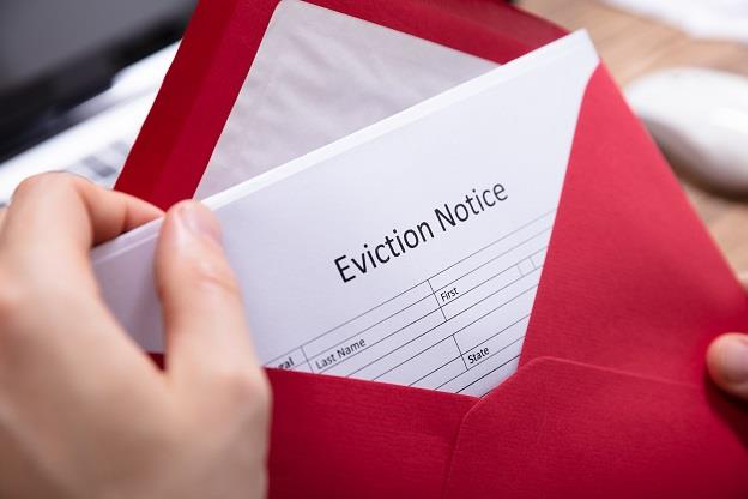
- Grounds for Eviction: Applications for eviction are made on specific legal grounds, which vary by jurisdiction and circumstances.
- Notice Requirements: The formal written notice served by the landlord to inform the tenant or occupant of the intention to seek possession.
- Court Proceedings: If the tenant or occupant does not vacate voluntarily, landlords must initiate legal action through the courts to obtain a possession order.
- Enforcement: The process of physically removing the tenant or occupant from the property if they do not comply with the possession order.
- Legal Grounds: The reasons for eviction must comply with local housing laws, such as non-payment of rent or breach of the tenancy agreement.
- Notice Period: Landlords must provide the tenant or occupant with a specific notice period before seeking possession.
- Court Proceedings: Court applications for eviction involve filing the necessary documents and attending court hearings.
- Tenant Rights: Tenants have rights and defenses during eviction proceedings, and landlords must follow due process.
- Legal Assessment: Evaluating the grounds for eviction and advising on the best course of action.
- Notice Preparation: Assisting landlords in preparing and serving valid notices that comply with local laws.
- Court Representation: Representing landlords in court proceedings related to eviction and possession orders.
- Tenant Defense: Advising tenants on their rights and defenses when facing eviction and representing their interests in court.
- Negotiation and Mediation: Exploring alternatives to eviction, such as negotiation or mediation, to reach amicable resolutions.
FAQ's
No, landlords must have valid grounds for eviction, which are typically outlined in local housing laws.
Notice periods vary depending on the grounds for eviction and local laws.
Yes, tenants can challenge eviction applications if they believe they are not valid or have legal defenses.
Tenants have the right to defend themselves in court, challenge improper applications, and request reasonable accommodations.
The duration varies depending on factors like the grounds for eviction, local court procedures, and tenant defenses.
Yes, negotiation or mediation can be effective in reaching settlement agreements to avoid eviction.
Contact us directly, and our experienced team will provide the guidance and support needed to navigate eviction application proceedings effectively.